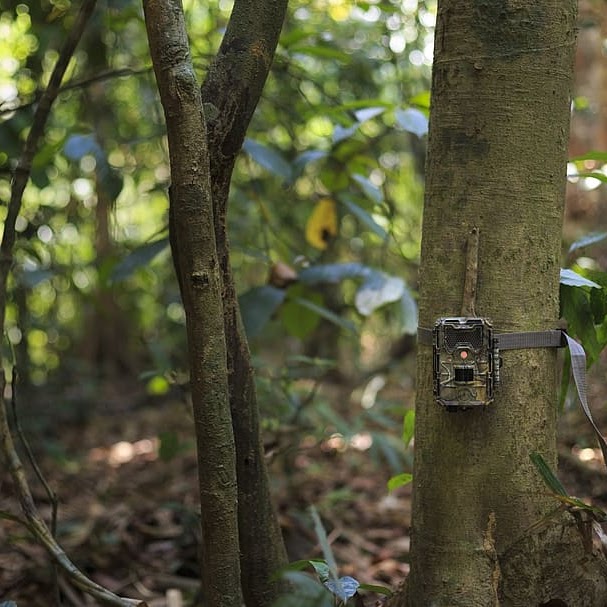
Deploy camera traps to capture images or videos of wildlife in their natural habitat.
Analyze the data to identify individual animals, study behavior, and estimate population densities.
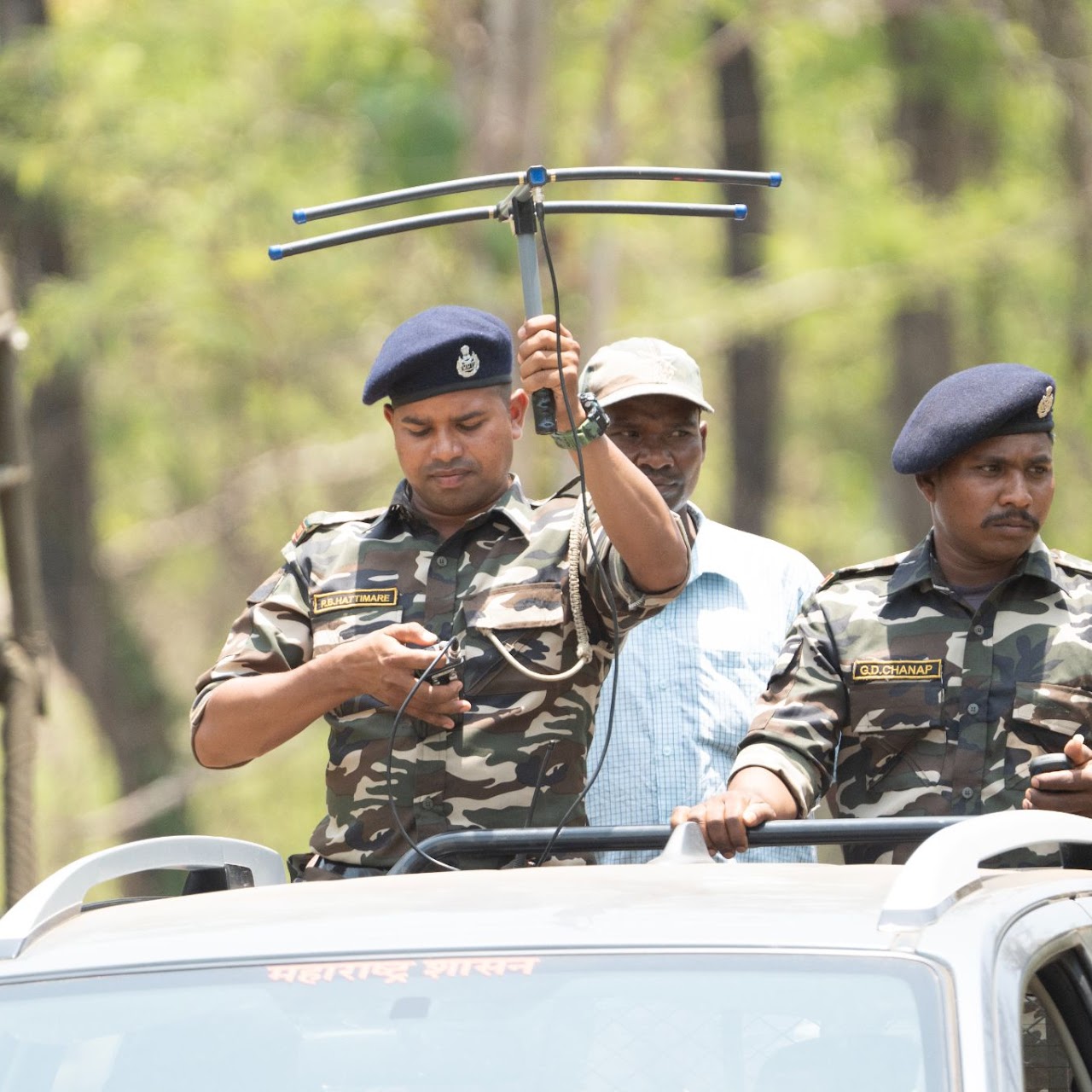
Attach tracking devices (radio collars, GPS tags) to individual animals to monitor their movements and behavior.
Track migration patterns, identify critical habitats, and assess the impact of human activities.
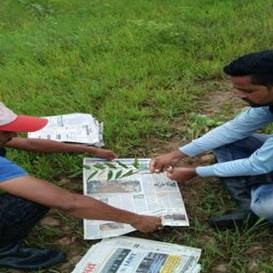
Monitor changes in the habitat, including vegetation health, water quality, and availability of resources.
Assess the impact of natural events (e.g., fires, floods) and human activities on the habitat.
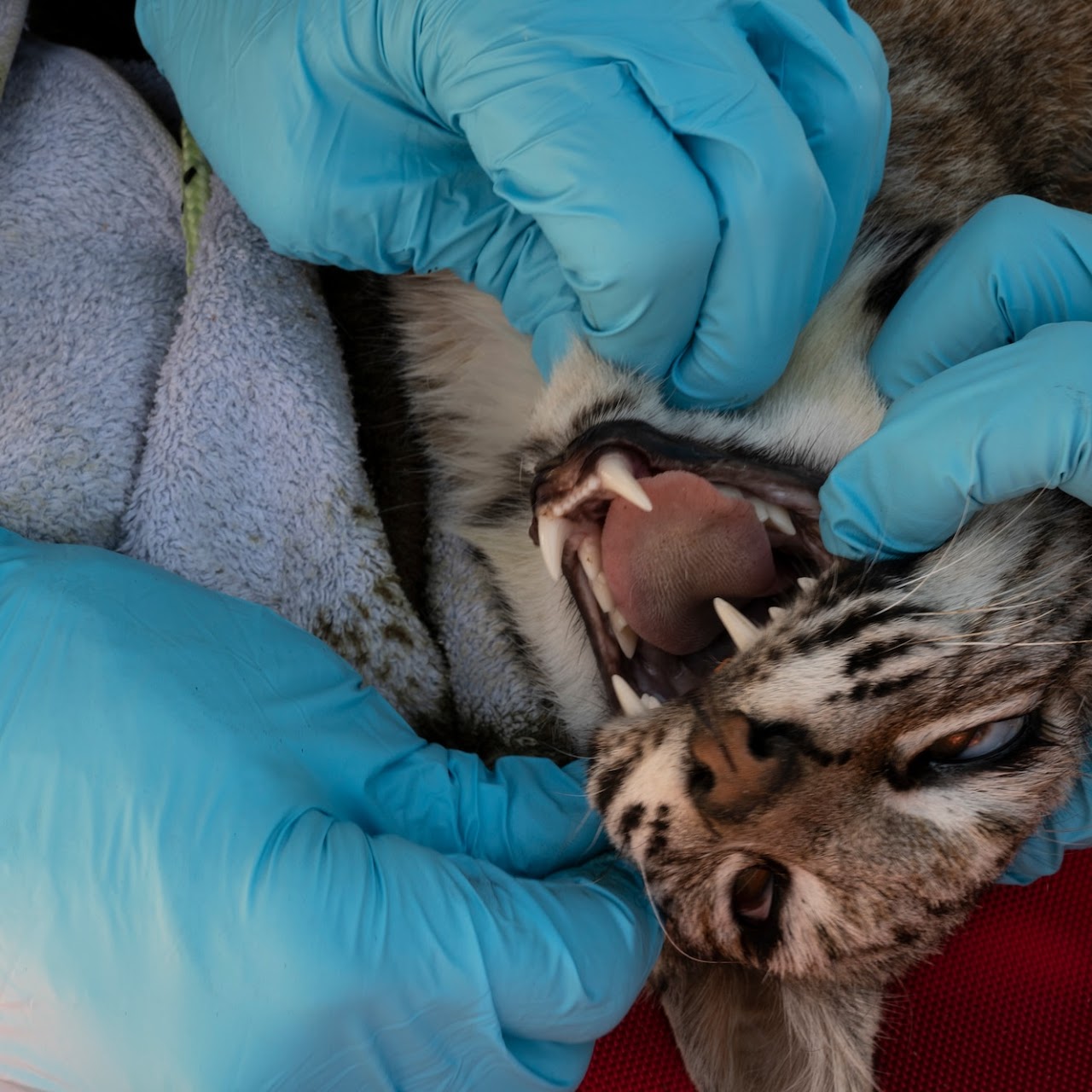
Track the diversity of species within the sanctuary to understand ecosystem health.
Identify and monitor indicator species that can provide insights into the overall condition of the ecosystem.

We have conduct regular surveys to estimate the population size and distribution of key species.
Using various techniques such as camera traps, radio telemetry, and direct observations to gather accurate data.
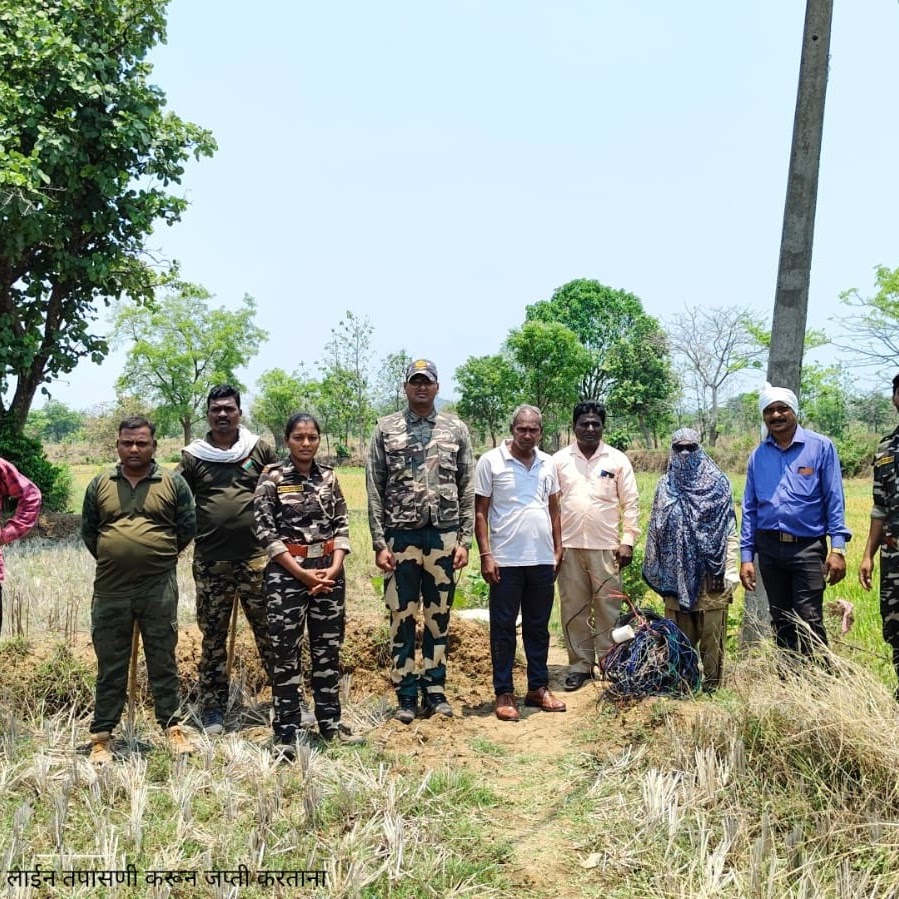
Implement measures to detect and deter illegal activities such as poaching, logging, and habitat destruction.
Collaborate with law enforcement agencies to address and prevent illegal activities.
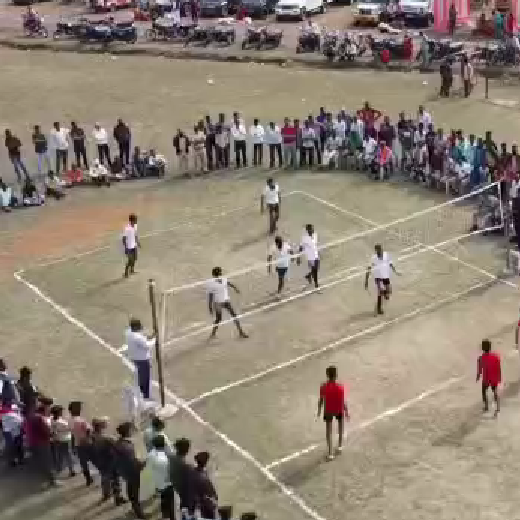
Engage local communities in wildlife monitoring efforts.
Local knowledge can complement scientific data and enhance the effectiveness of conservation initiatives.
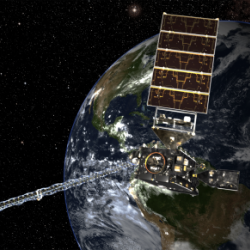
Use satellite imagery and Geographic Information Systems (GIS) to monitor changes in land cover and detect potential threats to wildlife habitats.
Analyze spatial data to identify areas of high conservation value or areas at risk.
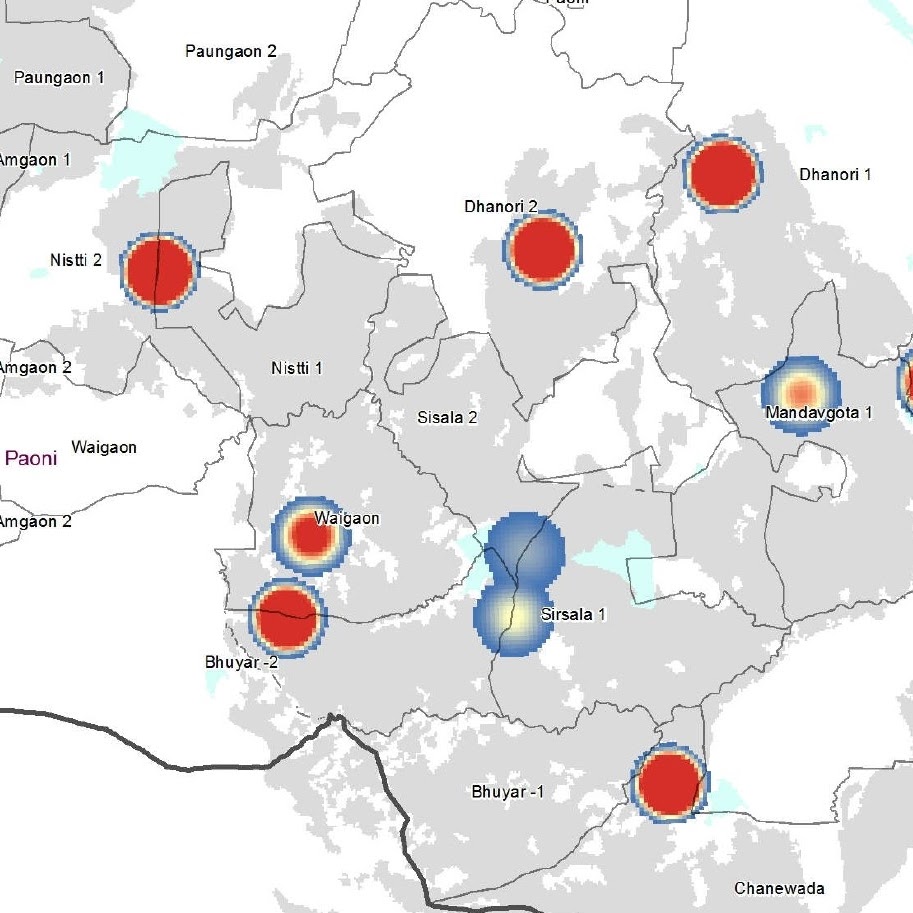
Regularly analyze the collected data to identify trends, threats, and opportunities for conservation.
Generate reports and share findings with relevant stakeholders to inform decision-making.